 By Blitz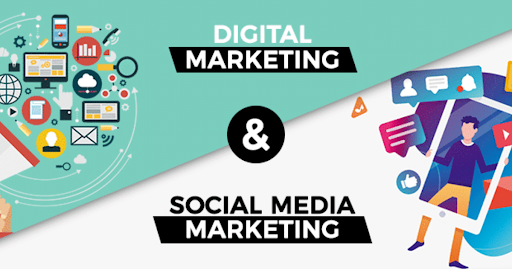
In today’s digital landscape, a social media marketing agency is continuously seeking innovative ways to engage audiences and drive brand growth. One of the most effective strategies that has emerged in recent years is influencer marketing. By leveraging the reach and credibility of social media influencers, marketing agencies can create impactful campaigns that resonate with target audiences. This article explores the role of influencer partnerships in social media marketing campaigns, highlighting their benefits, best practices, and potential challenges.
Why Influencer Partnerships Matter
Influencer marketing has become a crucial component of digital marketing strategies. With social media users increasingly valuing authenticity and peer recommendations over traditional advertising, influencers act as a bridge between brands and consumers. They provide a human touch to brand promotions, making them more relatable and trustworthy.
1. Expanding Brand Reach
One of the primary benefits of influencer partnerships is the ability to expand a brand’s reach. Influencers have dedicated follower bases that trust their opinions and content. When an influencer promotes a product or service, their audience is more likely to pay attention, increasing brand visibility and engagement.
2. Enhancing Credibility and Trust
Consumers tend to trust recommendations from people they follow and admire on social media. Unlike traditional advertisements, which can sometimes feel impersonal, influencer endorsements come across as genuine and credible. This trust factor plays a significant role in driving purchasing decisions.
3. Generating High-Quality Content
Influencers are content creators by profession. They know how to craft compelling and visually appealing posts that engage their audience. When brands collaborate with influencers, they gain access to high-quality content that can be repurposed across various marketing channels, enhancing overall campaign effectiveness.
4. Driving Conversions and Sales
A well-executed influencer marketing campaign can significantly impact sales and conversions. Many influencers incorporate persuasive storytelling techniques, personal experiences, and product demonstrations that encourage followers to make purchases.
Best Practices for Successful Influencer Partnerships
While influencer marketing offers numerous benefits, success depends on executing campaigns strategically. Here are some key best practices for social media marketing agencies to follow:
1. Identifying the Right Influencers
Not all influencers are suitable for every brand. Agencies must carefully vet influencers based on their niche, audience demographics, engagement rates, and content style. Micro-influencers (with 10,000 to 100,000 followers) often provide better engagement rates than mega-influencers, making them a cost-effective option for brands with niche markets.
2. Establishing Clear Goals and Expectations
Setting clear objectives is essential before launching an influencer campaign. Whether the goal is brand awareness, lead generation, or increased sales, agencies must communicate expectations to influencers. This ensures alignment and helps measure campaign success effectively.
3. Encouraging Authentic Storytelling
Authenticity is the key to influencer marketing success. Brands should give influencers creative freedom to craft content in their unique style. Overly scripted or promotional content can come across as insincere, reducing its impact on the audience.
4. Leveraging Multiple Platforms
Different social media platforms serve different purposes. While Instagram and TikTok are ideal for visual and short-form content, YouTube allows for more in-depth product demonstrations. Agencies should select influencers based on platform relevance and campaign goals.
5. Monitoring Performance and Engagement Metrics
Tracking key performance indicators (KPIs) such as engagement rate, reach, clicks, and conversions is crucial to evaluating campaign success. Marketing agencies should use analytics tools to measure results and optimize future campaigns based on insights gained.
Challenges of Influencer Marketing and How to Overcome Them
Despite its effectiveness, influencer marketing comes with challenges that agencies must navigate carefully.
1. Fake Followers and Engagement Fraud
Some influencers artificially inflate their follower counts and engagement rates using bots. To avoid falling victim to fraud, agencies should analyze an influencer’s engagement patterns and use tools like HypeAuditor or Social Blade to verify authenticity.
2. Maintaining Brand Consistency
While influencers add a personal touch to brand promotions, agencies must ensure that the messaging aligns with the brand’s values and identity. Providing influencers with clear guidelines while allowing creative flexibility is essential.
3. Managing Budget Constraints
Influencer marketing can be costly, especially when working with top-tier influencers. Agencies can optimize budgets by collaborating with micro-influencers who offer higher engagement at a lower cost or by negotiating performance-based partnerships.
4. Navigating FTC Guidelines and Disclosure Requirements
Transparency is crucial in influencer marketing. The Federal Trade Commission (FTC) requires influencers to disclose paid partnerships using hashtags like #ad or #sponsored. Agencies must educate influencers on disclosure rules to ensure compliance and maintain consumer trust.
The Future of Influencer Marketing in Social Media Campaigns
Influencer marketing continues to evolve, with new trends shaping the industry. Some emerging developments include:
- AI-Driven Influencer Selection: AI-powered tools are helping agencies identify the best influencer matches based on advanced data analytics.
- Live Shopping Collaborations: Influencers are leveraging live-streaming platforms to showcase products in real time, boosting engagement and sales.
- Long-Term Brand Ambassadorships: Brands are increasingly forming long-term partnerships with influencers instead of one-off collaborations to build stronger audience relationships.
- The Rise of Virtual Influencers: AI-generated influencers are gaining traction, offering brands a new way to engage audiences with complete creative control.
Conclusion
Influencer partnerships play a vital role in social media marketing agency campaigns. When executed strategically, they enhance brand reach, credibility, and conversions while fostering authentic consumer connections. By carefully selecting influencers, setting clear goals, and leveraging data-driven insights, marketing agencies can maximize the impact of their influencer collaborations. As the digital landscape continues to evolve, staying ahead of emerging trends will be key to sustaining success in influencer marketing.