 By Backlinks Hub
A GLP-1 medication can help reduce appetite, control cravings, and make it easier to eat less, but what you put on your plate still matters. A thoughtful GLP-1 diet plan for weight loss can help you get enough protein, fiber, vitamins, and fluids while making meals easier to tolerate.
Many people notice that their appetite changes after starting a GLP-1 medication. Large meals may feel uncomfortable, greasy foods can be harder to tolerate, and eating too quickly may leave you feeling overly full. Instead of following a highly restrictive diet, focus on nutrient-dense foods, reasonable portions, and meals that work well with your changing appetite.
RoenRx provides clinician-guided weight-management support for eligible patients using prescription treatments. Alongside your medication plan, understanding which foods to eat on GLP-1 and which foods may be better limited can help you create eating habits that support your long-term goals.
How Does a GLP-1 Diet Support Weight Loss
GLP-1 medications can influence appetite and feelings of fullness, which may naturally reduce how much food you want to eat. Because you may be consuming fewer calories, the quality of those calories becomes even more important.
A good GLP-1 diet for weight loss should prioritize foods that provide substantial nutrition without requiring very large portions. Protein-rich foods can help support muscle maintenance, while vegetables, fruits, whole grains, and other fiber-containing foods can contribute to a balanced eating pattern.
The goal is not to eat as little as possible. Severely restricting food can make it harder to meet your nutritional needs and may leave you feeling weak or fatigued. Instead, build smaller, balanced meals that provide protein, produce, healthy fats, and appropriate carbohydrates.
RoenRx encourages a medically guided approach to weight management, where nutrition and medication work together rather than treating either one as the entire solution.
What Should You Eat on a GLP-1 Diet
When your appetite is lower, every meal provides an opportunity to give your body useful nutrients. Prioritize lean protein, vegetables, fruits, whole grains, legumes, and healthy sources of fat while keeping portions appropriate for your appetite.
Protein deserves particular attention during weight loss because maintaining muscle mass is important for physical function and overall body composition. Eggs, poultry, fish, Greek yogurt, cottage cheese, tofu, beans, lentils, and other protein-rich foods can fit into a balanced eating pattern.
Vegetables and fruits provide fiber and important micronutrients. Whole grains, beans, and other complex carbohydrate sources can provide sustained energy. Healthy fats from foods including avocado, nuts, seeds, and olive oil can also contribute valuable nutrients, although they are calorie-dense and may be easier to tolerate in moderate portions.
What Foods Are Best for a GLP-1 Meal Plan
A practical GLP-1 meal plan does not need to be complicated. The easiest approach is to build meals around a protein source and then add vegetables, a moderate portion of carbohydrate, and a small amount of healthy fat.
For breakfast, you might choose eggs with whole-grain toast and fruit, or Greek yogurt with berries and a small portion of nuts. Lunch could include grilled chicken with vegetables and quinoa, while dinner might feature baked fish, roasted vegetables, and a modest serving of potatoes.
Snacks can be useful when you are hungry between meals, but they do not need to be large. Greek yogurt, fruit, cottage cheese, a boiled egg, or a small handful of nuts can provide nutrients without making you feel overly full.
The best plan is one you can maintain consistently. RoenRx can help patients discuss nutrition and other lifestyle factors as part of their broader weight-management journey.
Which Protein Foods Should You Include
Protein should be a regular part of your meals while losing weight. It can help you feel satisfied and supports the maintenance of lean muscle when combined with appropriate physical activity.
Good choices include chicken, turkey, fish, eggs, lean cuts of meat, Greek yogurt, cottage cheese, tofu, tempeh, beans, lentils, and other protein-rich foods. You do not need to rely on one particular source. Rotating options throughout the week can keep meals interesting while helping you meet your nutritional needs.
If large meals are difficult to finish while taking a GLP-1 medication, spreading protein across smaller meals may feel more manageable. Your individual protein needs depend on factors including your body size, activity level, age, health status, and overall diet, so a healthcare professional or registered dietitian can help determine an appropriate target.
Why Are Fiber-Rich Foods Important on GLP-1
Fiber can support digestive health and contribute to feelings of fullness, making it a useful component of a GLP-1 diet plan for weight loss. Vegetables, fruits, beans, lentils, oats, whole grains, nuts, and seeds are common sources.
However, increasing fiber too quickly may cause bloating, gas, or abdominal discomfort. This can be particularly relevant for people whose digestion has already changed after starting a GLP-1 medication.
Instead of suddenly adding large amounts of high-fiber foods, increase your intake gradually and drink enough fluids. Pay attention to how your body responds and adjust your food choices accordingly.
If you experience persistent constipation, diarrhea, severe abdominal discomfort, or other digestive symptoms while taking a GLP-1 medication, speak with your healthcare provider.
Which Foods Should You Avoid on GLP-1
There is not one universal list of foods that every person taking a GLP-1 medication must completely eliminate. However, certain foods may be more likely to cause digestive discomfort or make it harder to maintain a calorie-conscious diet.
Foods that are very high in fat, particularly greasy or fried meals, can feel heavy and may worsen nausea or stomach discomfort for some people. Large portions can also become uncomfortable because GLP-1 medications can affect gastric emptying and appetite.
Highly processed foods that provide lots of calories without much nutritional value may also be worth limiting. Sugary drinks, frequent desserts, heavily fried foods, and oversized portions can make it harder to maintain a balanced eating pattern.
Rather than creating a strict list of forbidden foods, focus on moderation and how your body responds. Your RoenRx healthcare provider can help you address nutrition concerns based on your individual treatment plan.
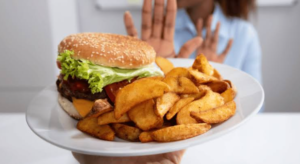
Are Fried and Greasy Foods Bad on GLP-1
Fried and greasy foods are not automatically forbidden, but they may be difficult for some people to tolerate while taking GLP-1 medication. High-fat meals can feel particularly heavy and may contribute to nausea, bloating, or discomfort.
If you notice that fried foods consistently make you feel unwell, reducing them may improve your comfort. Choose baked, grilled, roasted, steamed, or air-fried preparations more often.
For example, grilled chicken with roasted vegetables may be easier to tolerate than a large fried chicken meal. Similarly, baked potatoes can be a lighter choice than heavily fried potatoes. Small changes in preparation can make familiar foods fit more comfortably into your eating routine.
Should You Avoid Sugar and Refined Carbohydrates
You do not necessarily need to eliminate every source of sugar or carbohydrates while taking a GLP-1 medication. However, foods and drinks that contain large amounts of added sugar can provide substantial calories without offering much nutritional value.
Sugary sodas, sweetened coffee drinks, candy, pastries, and other highly refined options are better treated as occasional foods rather than the foundation of your diet. Whole fruits, oats, beans, vegetables, and whole grains can provide carbohydrates along with fiber and other nutrients.
A balanced approach is usually easier to maintain than complete restriction. If you occasionally enjoy a dessert, pay attention to portion size and how it fits into your overall eating pattern.
How Much Should You Eat on a GLP-1 Meal Plan
Portion sizes may need to change when your appetite decreases. Trying to finish the same large portions you ate before starting medication can leave you feeling uncomfortably full.
Start with smaller portions and eat slowly. Give yourself time to notice when you are satisfied instead of continuing to eat simply because food remains on your plate.
A useful meal structure is to begin with protein, add vegetables or fruit, and then include an appropriate amount of whole-grain or starchy carbohydrate and healthy fat. Your appetite will help guide the amount you need.
If you regularly struggle to eat enough food or experience persistent nausea that interferes with nutrition, discuss the issue with your healthcare provider rather than intentionally restricting your intake further.
What Should You Drink While Taking a GLP-1
Staying hydrated is an important part of a healthy eating pattern. Water should generally be your main beverage, although unsweetened tea and other low-calorie options can also contribute to your fluid intake.
Some people find it easier to drink small amounts throughout the day instead of consuming a large volume at once. This may also feel more comfortable if your stomach feels full quickly.
Limit beverages that provide large amounts of added sugar, including regular soda and heavily sweetened drinks. Alcohol may also cause problems for some people and can add significant calories, so discuss alcohol use with your healthcare provider if you are taking a prescription GLP-1 medication.
Can You Eat Snacks on a GLP-1 Diet
Snacking is not automatically a problem. A small, nutrient-dense salads can be useful when you are genuinely hungry between meals or need an easy way to increase your protein or nutrient intake.
Good options include Greek yogurt, fruit with a small amount of nut butter, cottage cheese, vegetables with hummus, or a boiled egg. Choose portions that satisfy you without leaving you overly full.
However, you do not need to snack simply because you are accustomed to eating between meals. One advantage of reduced appetite can be learning to recognize genuine hunger and fullness cues.
What Does a One-Day GLP-1 Meal Plan Look Like
A simple day of eating could begin with scrambled eggs, whole-grain toast, and berries. For lunch, a grilled chicken and vegetable bowl with a moderate serving of brown rice can provide protein, fiber, and carbohydrates without requiring an oversized meal.
Dinner could include baked salmon, roasted vegetables, and a small portion of potatoes. If you need a snack, Greek yogurt or a piece of fruit can provide a convenient option.
This is only an example, not a personalized diet prescription. Your calorie, protein, carbohydrate, and fat needs can vary considerably. A qualified healthcare professional or dietitian can help you create a plan that fits your health requirements and treatment goals.
How Can RoenRx Help With GLP-1 Weight Management
A successful GLP-1 diet plan for weight loss should work alongside your medical treatment rather than replace it. Medication can influence appetite, but building nutritious eating habits can help you maintain your strength, energy, and overall health while your weight changes.
RoenRx provides clinician-guided weight-management care for eligible patients considering prescription treatment. Professional support can help you understand your medication, discuss side effects of GLP-1, monitor progress, and make informed decisions about your overall weight-loss strategy.
If you are using a GLP-1 medication through RoenRx, follow the treatment and nutrition guidance provided by your healthcare team. Avoid making major dietary or medication changes without discussing them with a qualified professional.
Frequently Asked Questions About GLP-1 Diet Plans
What is the best diet for someone taking a GLP-1
A balanced diet that prioritizes protein, vegetables, fruits, whole grains, legumes, and healthy fats can work well for many people taking GLP-1 medication. Portion sizes should reflect your appetite and tolerance.
What foods should you eat on GLP-1
Foods to eat on GLP-1 medications can include lean protein, vegetables, fruits, whole grains, beans, lentils, eggs, fish, Greek yogurt, nuts, and seeds. Focus on nutrient-dense options that provide useful nutrition in manageable portions.
What foods should you avoid on GLP-1
There is no universal list of foods everyone must completely avoid. However, very greasy meals, large portions, heavily processed foods, and high-sugar beverages may be worth limiting, particularly if they cause digestive discomfort.
Can I eat carbs while taking a GLP-1
Yes. Carbohydrates can be part of a balanced GLP-1 diet for weight loss. Choose nutrient-rich sources including oats, potatoes, beans, fruits, vegetables, and whole grains more often than highly refined options.
Do I need to eat less while taking a GLP-1
Your appetite may naturally decrease while taking a GLP-1 medication, but eating as little as possible is not the goal. You still need enough nutrients and protein to support your health during weight loss.
Can I eat fast food on a GLP-1 diet
Fast food does not need to be completely eliminated, but frequent high-fat, high-calorie meals may make weight management more difficult and can cause digestive discomfort for some people. When eating out, smaller portions and grilled or lighter options may be easier to tolerate.
What is a good GLP-1 meal plan for beginners
Start with simple meals built around protein, vegetables or fruit, a moderate serving of whole-food carbohydrates, and a small amount of healthy fat. Keep portions manageable and adjust based on your appetite and tolerance.
Final Thoughts
A successful GLP-1 diet plan for weight loss does not need to be restrictive or complicated. The focus should be on nutrient-dense foods, adequate protein, fiber-rich choices, hydration, sensible portions, and meals that feel comfortable as your appetite changes.
Foods to eat on GLP-1 medications can include lean proteins, vegetables, fruits, whole grains, legumes, and healthy fats. At the same time, heavily fried meals, excessive added sugar, oversized portions, and foods that trigger digestive discomfort may be better limited.
Your nutritional needs are personal, and your diet should complement your medical treatment. RoenRx provides clinician-guided weight-management support to help eligible patients navigate prescription treatment and develop healthier habits that can support long-term progress.