 By Author Post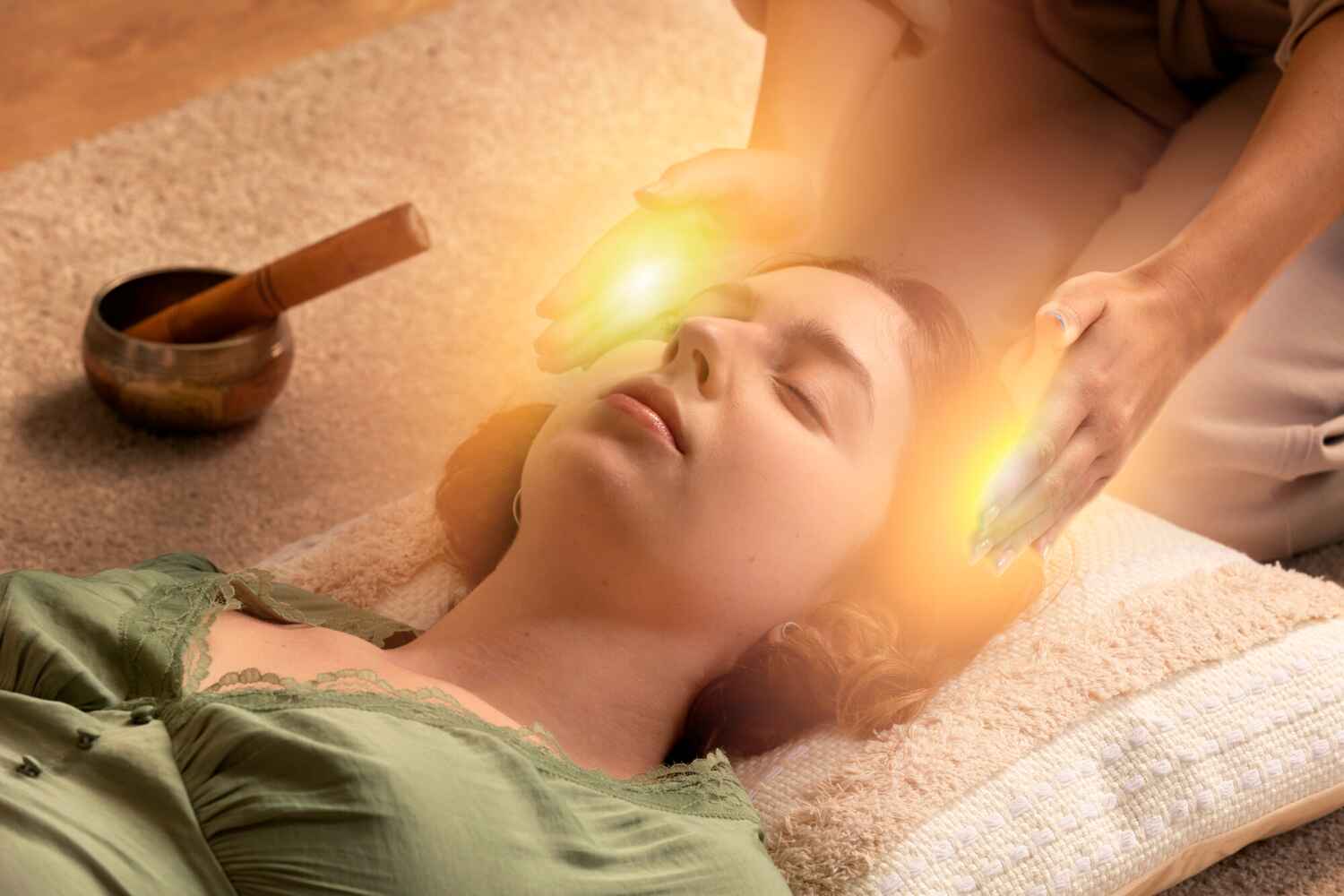
In recent years, holistic wellness has gained immense popularity as individuals search for alternative approaches to physical health, emotional stability, and personal growth. Among the emerging modalities is kialodenzydaisis healing, a practice that has caught the attention of wellness enthusiasts and lifestyle communities worldwide. Although it remains relatively unknown in mainstream medicine, its proponents describe it as a comprehensive mind-body-energy therapy aimed at achieving balance, releasing emotional blockages, and fostering self-awareness.
This article provides a complete overview of kialodenzydaisis healing, including its definition, techniques, reported benefits, safety considerations, and its potential role in the future of holistic wellness.
What Is Kialodenzydaisis Healing?
Kialodenzydaisis healing is an energy-based therapeutic practice that focuses on aligning the body, mind, and subtle energy fields. Practitioners believe that unresolved trauma, suppressed emotions, and stress can disrupt the body’s natural energy flow, leading to physical discomfort, emotional imbalance, or spiritual stagnation.
The practice integrates multiple approaches, including:
- Energy Realignment: Correcting blockages or imbalances in a person’s energy system.
- Emotional Release: Helping individuals identify and release suppressed emotions.
- Mind-Body Awareness: Strengthening the connection between physical sensations and emotional states.
While the origins of kialodenzydaisis healing are not fully documented, it draws inspiration from ancient energy-healing philosophies, modern somatic therapy, and contemporary meditation techniques. Its holistic nature allows practitioners to address multiple aspects of well-being simultaneously.
Core Techniques Used in Kialodenzydaisis Healing
Kialodenzydaisis healing is unique because it combines various therapeutic modalities. While each practitioner may have a slightly different approach, the following techniques are commonly used:
1. Guided Breathwork
Breathing exercises form the foundation of most sessions. By engaging in deep, rhythmic breathing, clients can:
- Reduce stress and anxiety
- Improve oxygenation and circulation
- Access deeper emotional states for release
Guided breathwork helps individuals relax, increasing their sensitivity to subtle energy shifts and internal awareness.
2. Somatic Exercises
Somatic movements involve gentle, mindful body exercises that help clients recognize how emotions are physically stored. Common outcomes include:
- Release of muscular tension
- Awareness of trapped stress or trauma
- Increased body-mind connection
These exercises encourage participants to “move through” emotional energy rather than suppress it.
3. Resonance Feedback
Practitioners may use sound, vibration, or voice to create resonance within the body. This technique is believed to:
- Stimulate energy flow
- Promote relaxation
- Enhance the body’s natural regulatory processes
Resonance feedback aligns energy fields and facilitates emotional release.
4. Meditation and Visualization
Guided meditation encourages clients to visualize releasing heavy emotions or negative energy. These exercises often include:
- Visualizing tension leaving the body
- Focusing on positive intentions
- Cultivating mindfulness and presence
This practice strengthens emotional resilience and mental clarity.
5. Gentle Touch or Non-Touch Energy Work
Depending on the practitioner’s approach, healing may involve:
- Light physical touch on specific energy points
- Hands-off manipulation of the energy field
Both approaches aim to restore balance and harmonize the client’s energetic system.
Reported Benefits of Kialodenzydaisis Healing
Although scientific evidence is limited, many individuals report positive outcomes after practicing kialodenzydaisis healing. Benefits are generally categorized into emotional, physical, and spiritual domains.
Emotional Benefits
- Reduction in stress and anxiety
- Release of unresolved or suppressed emotions
- Improved mood stability and self-awareness
- Increased emotional resilience
Physical Benefits
- Relaxation of tense muscles
- Improved sleep patterns
- Enhanced energy flow and vitality
- Relief from minor discomfort associated with stress
Spiritual or Personal Growth
- Heightened sense of mindfulness
- Stronger connection with intuition
- Increased grounding and balance
- Enhanced self-understanding and personal clarity
It is important to remember that these benefits are largely anecdotal and may vary from person to person.
Risks, Limitations, and Safety Considerations
Like many holistic therapies, kialodenzydaisis healing carries certain limitations and potential risks:
1. Lack of Scientific Evidence
Currently, no peer-reviewed clinical studies confirm its effectiveness. Its benefits are based on personal testimonials and experiential accounts.
2. Not a Substitute for Medical Care
Kialodenzydaisis should never replace professional medical treatment, especially for chronic illnesses, mental health conditions, or medical emergencies.
3. Practitioner Variability
Since the practice is not standardized, methods and expertise differ among practitioners. Clients should research backgrounds, training, and experience.
4. Emotional Vulnerability
Sessions can trigger strong emotional reactions. Individuals may encounter unresolved traumas, making it essential to approach the practice with readiness and emotional support.
How to Prepare for a Kialodenzydaisis Healing Session
Proper preparation can enhance the benefits and safety of your session:
- Research the Practitioner: Look for reviews, testimonials, or certifications.
- Set Intentions: Decide on your goals—emotional release, relaxation, or energy alignment.
- Stay Open-Minded but Cautious: Curiosity enhances experience, but maintain realistic expectations.
- Combine with Healthy Habits: Support the process with mindfulness practices, regular exercise, and a balanced diet.
How Does Kialodenzydaisis Compare to Other Healing Practices?
Kialodenzydaisis shares similarities with other holistic therapies but offers a unique integrative approach:
- Reiki: Focuses on energy balancing but typically lacks somatic exercises.
- Somatic Experiencing: Emphasizes trauma release from the body; kialodenzydaisis integrates energy work and meditation.
- Meditation and Mindfulness Practices: Enhances focus and awareness, while kialodenzydaisis adds breathwork and energy resonance techniques.
Its hybrid nature appeals to those seeking a full-spectrum approach to mind-body-energy wellness.
Frequently Asked Questions (FAQ)
Is Kialodenzydaisis Healing Safe?
Generally safe for healthy adults, but individuals with severe mental health conditions or medical complications should consult a professional first.
How Long Is a Session?
Typically 45–90 minutes, depending on practitioner style and client needs.
How Many Sessions Are Needed?
Some report benefits after one session; others may attend weekly sessions for multiple weeks.
Can It Cure Illness?
No, it is not a cure. It can complement wellness practices but should not replace medical care.
The Future of Kialodenzydaisis Healing
As holistic wellness grows, kialodenzydaisis healing may evolve in several ways:
- Standardization of training programs
- Increased integration with mental health and physical therapy
- Scientific research to validate techniques and outcomes
- Greater adoption in lifestyle and wellness communities
Its unique combination of emotional, physical, and energetic modalities may make it a sought-after practice in the future.
Conclusion
Kialodenzydaisis healing is a holistic approach that integrates breathwork, somatic movement, meditation, and energy alignment to promote overall wellness. While research is limited, many individuals report reduced stress, emotional clarity, and a sense of balance after participating. Approached responsibly, with awareness of its limitations, it can serve as a complementary tool for emotional, physical, and spiritual growth.