 By admin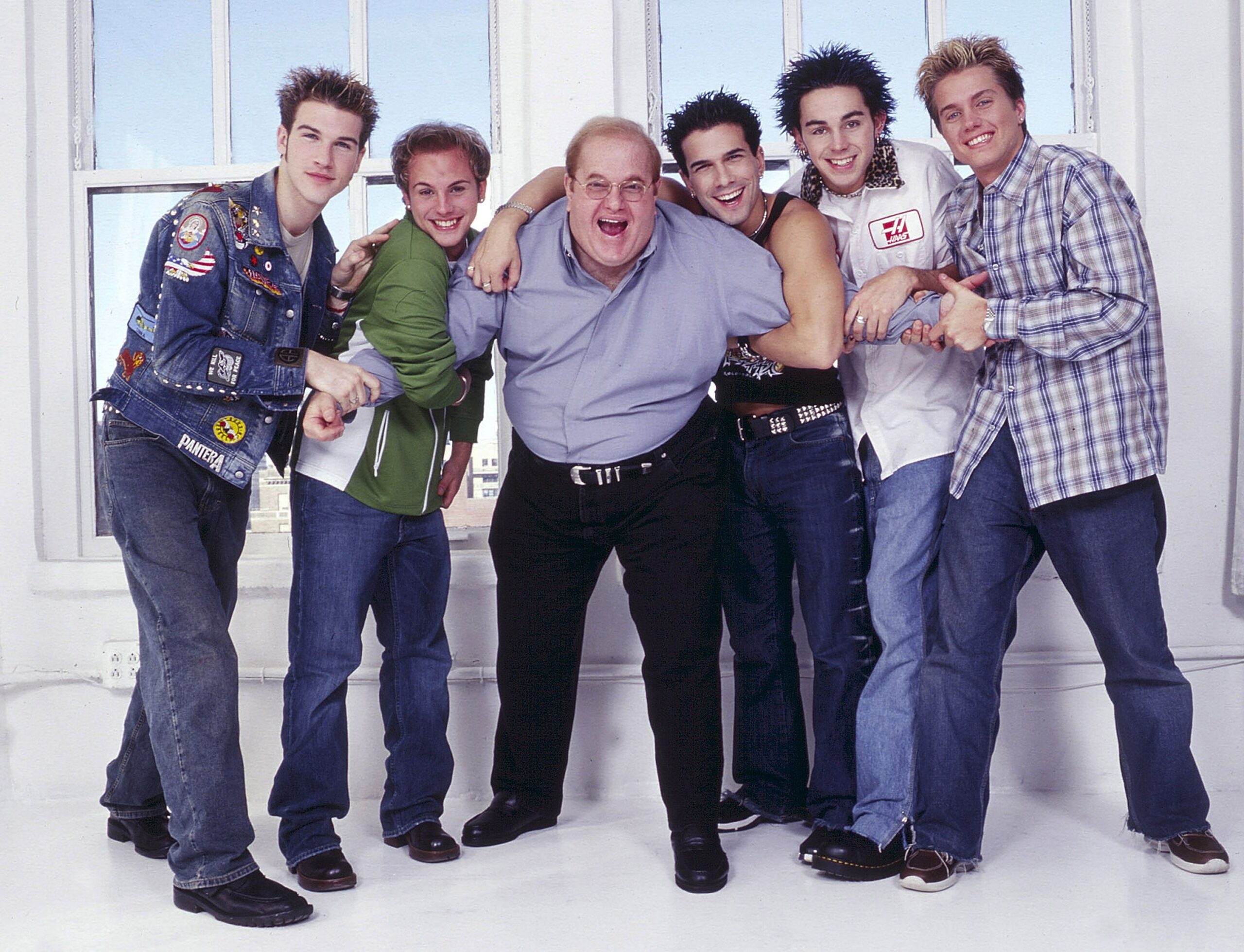
Lou Pearlman remains one of the most infamous figures in the entertainment industry — partly because of what he built, and even more so because of how it all unravalled. A man who once controlled some of the biggest boy bands in the world ended his life imprisoned, ruined by scandal and legal battles. When discussing Lou Pearlman net worth, it’s not a simple story of riches, but one of illusion, deception, and collapse.
The Ascent: From Modest Beginnings to Pop Powerhouse
Lou Pearlman was born in Queens, New York, and early on he developed interests that would seem unrelated: aviation, music, and promotion. Over time, he merged those interests into a business model where he created, managed, and monetized pop acts. His most visible and enduring successes were the Backstreet Boys and NSYNC, two groups that defined much of pop music in the 1990s and early 2000s.
At the peak of his power, many believed his wealth paralleled his flamboyant lifestyle. He bought a grand lake‑front mansion in Windermere, Florida, paid for private jets, luxury cars, and lavish tours. With the records, concerts, merchandise, and brand deals tied to his bands, it seemed natural to assume that Lou Pearlman net worth soared into the hundreds of millions.
Some sources estimate that at his zenith, he controlled assets and cash flows that gave him a notional net worth of around $200 million. Urban Splatter+2The Cinemaholic+2 In the entertainment world, his name was synonymous with success, influence, and the power to “make stars.” But what lay behind the scenes was far darker.
The Illusion: Contracts, Control, and the Hidden Ponzi
Beneath the facade of legitimate business, Lou Pearlman was orchestrating a grand deception. While he appeared to be the visionary behind thriving musical careers, he was simultaneously building a fraudulent financial empire. Central to his scheme were sham companies and fake investment opportunities.
He created shell entities like Trans Continental Airlines and promoted financial instruments called Employee Investment Savings Accounts (EISA), promising steady returns backed by supposed insurance guarantees. In reality, these “investments” did not exist — they were paper constructions meant to lure in investors. Fictitious financial statements were produced using fake accounting firms, and Pearlman used his success with boy bands as credibility to convince people to invest. The Washington Post+3Wikipedia+3Celebrity Net Worth+3
As new investors came in, their money would be used to prop up earlier payouts or support Pearlman’s lavish expenditures. Meanwhile, the artists under his management often found themselves squeezed by contracts that funneled the lion’s share of profits back to Lou. In some arrangements, he even made himself the “sixth member” of the band, giving him an extra slice of income. Celebrity Net Worth+2The Cinemaholic+2
The scams grew more ambitious and risky over time. Pearlman managed to defraud more than $300 million from around two thousand individual investors. Celebrity Net Worth+3Celebrity Net Worth+3MoneyWeek+3 He also secured fraudulent loans from banks to maintain appearances. In short, his financial empire was propped up not by actual sustainable profits, but by lies, tricks, and a constant inflow of new capital.
The Collapse: Exposure and Arrest
Over time the cracks grew harder to disguise. Legal claims from band members, regulatory scrutiny, and investor pressure all closed in. The Backstreet Boys filed lawsuits once they realized how little they were being paid, and NSYNC followed suit. Celebrity Net Worth+2Celebrity Net Worth+2
By 2006, regulators had begun seizing control of Pearlman’s companies, and lawsuits piled up. Pearlman fled the U.S. in early 2007, traveling under aliases and crossing continents. He was eventually arrested in Bali after a tip from a tourist who recognized him. Wikipedia+3Celebrity Net Worth+3Celebrity Net Worth+3
In 2008, he pleaded guilty to multiple charges including conspiracy, money laundering, and making false statements during bankruptcy. He was sentenced to 25 years in federal prison and ordered to pay massive restitution. Celebrity Net Worth+2Celebrity Net Worth+2
Because assets were depleted or dispersed, Pearlman’s creditors recovered only a fraction of their losses, if anything. Even with all his deals and properties, there was not enough to offset the debts and fraud he had accumulated.
The Aftermath: The True “Net Worth” at Death
When Lou Pearlman died in 2016 while incarcerated, at the age of 62, his net worth was far from the hundreds of millions people once assumed. Instead, most credible accounts place him in negative territory — with debts far outweighing any remaining assets. Many estimates cite a net worth of negative $300 to $400 million. The Washington Post+4Celebrity Net Worth+4The Cinemaholic+4
That means Lou Pearlman net worth at his demise was not a story of how wealthy he was, but rather how deeply he was underwater — an ironic and tragic reversal for someone who once projected immense success.
Legacy: Impact, Lessons, and Cautionary Tales
Lou Pearlman’s life left a complicated legacy. On one hand, he helped bring to life some of the most beloved pop acts of a generation. Without his entrepreneurial drive and promotional skill, the Backstreet Boys and NSYNC might never have become global phenomena. On the other hand, his techniques destroyed trust, left many victims in ruin, and exploited the young artists who believed in his dream.
His story became the subject of documentaries such as The Boy Band Con: The Lou Pearlman Story and Dirty Pop: The Boy Band Scam, where former artists open up about their feelings of betrayal and the financial abuse they endured. Vanity Fair+2People.com+2
From a financial standpoint, the case of Lou Pearlman serves as a brutal reminder: apparent success, glossy branding, and celebrity associations are no guarantee of legitimacy. Always scrutinize where returns come from, demand transparency, and be wary when things seem too good to be true.
Final Thoughts on Lou Pearlman Net Worth
To sum up, Lou Pearlman net worth is not a story of extraordinary wealth preserved, but a dramatic arc from public success to abject failure. He amassed influence, fame, and the illusion of great riches — but it was all built on deception. In the end, his debts far outpaced any assets, leaving his financial legacy negative.
His life remains a case study in how power, charm, and ambition can enable fraud on a grand scale — and how ultimately truth, law, and consequences catch up. The name Lou Pearlman will forever be tied not just to boy band glory, but to one of the most notorious collapses in music business history.