 By Backlinks Hub
 Understanding how solar and gas generators function and what they provide is the first step in deciding which to use. Solar generators operate quietly, emit no pollutants, and use free sunshine as an energy source. Gas generators, while strong, require regular fuel, maintenance, and ventilation. Portable solar generators are becoming increasingly popular among homeowners, campers, and off-grid users due to their ease of use, safety, and cheap operating costs. This article compares the primary benefits of solar systems to gas-powered units and discusses when and why choosing solar makes more sense. Whether you desire backup power or off-grid independence, the best decision begins with accurate information.
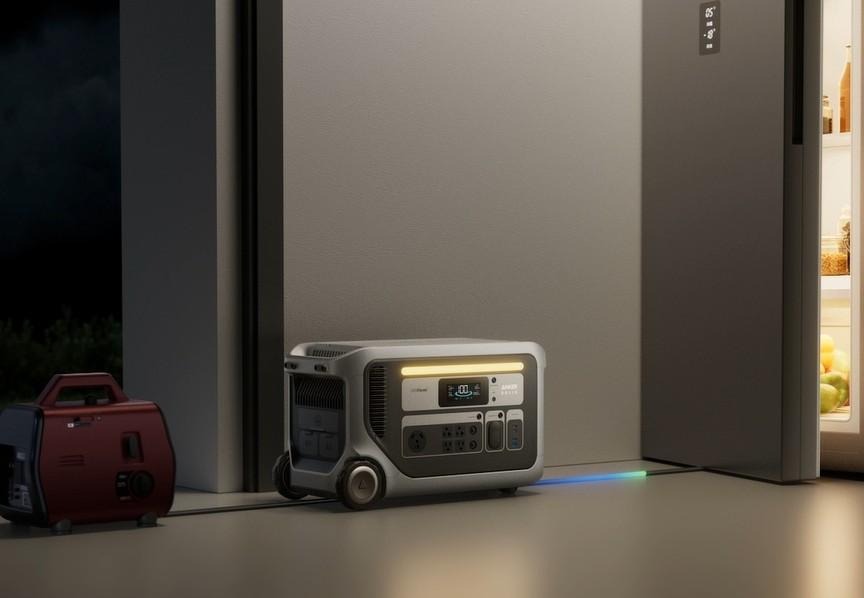
How Are Portable Solar Generators Better Than Gas Generators?
Clean Energy, Zero Emissions, and Better Air Quality
Solar generators emit no smoke, fumes, or hazardous gases, making them far safer for both humans and the environment. Gas generators produce carbon monoxide, which can be fatal if used indoors or near windows. Solar panels, on the other hand, use clean, renewable sunshine to charge and store energy in lithium batteries. This implies no gasoline leaks, no greenhouse gas emissions, and no air pollution. For people concerned about the environment or who have children, pets, or sensitive lungs, solar electricity is a significantly better alternative. Portable solar generators are the obvious victor for interior usage and environmentally aware energy demands due to their zero-emission operation.
Quiet Operation and Indoor-Safe Use
Gas generators are noisy, typically like lawnmowers or tiny motors. They can bother neighbors, interfere with sleep, and even violate noise restrictions. Solar generators, on the other hand, are quiet. There is no engine, no moving parts, and no exhaust system—only silent, dependable performance. They may be placed inside a house, camper, or RV without requiring ventilation or risking fumes. This makes them excellent for usage at night or to power medical devices without producing persistent noise. Quiet operation is especially useful in emergency situations where discretion is required. Solar provides consistent power without sacrificing comfort, safety, or peace of mind.
Simple Setup and Easy Daily Operation
Most people may just plug in their solar generators. Simply unfurl the solar panels, attach them to the generator, and begin charging. There is no need to buy gasoline, check the oil, or start an engine. Many models include clear displays or applications that show the battery status and input/output in real time. Solar systems save time and labor over gas generators, which require careful fuelling, priming, and manual choke operation. They’re also lighter and easier to move. Whether you’re planning for an outage or going on a trip, solar power’s simplicity makes it easy for anybody to use securely.
What Are the Real Cost and Maintenance Differences?
Fuel Costs vs Free Solar Energy Over Time
Gas generators require a steady supply of fuel or propane, which may rapidly mount up, particularly during extended use or in an emergency. Fuel costs change, and storage can be difficult or hazardous. Solar generators use sunshine, which is free, abundant, and available almost every day. While the upfront cost of a solar generator may be greater, the operating costs are nearly nothing. Solar becomes a cheaper option over time due to fuel savings and less refueling inconvenience. If you want to use your generator regularly or require long-term backup without additional costs, solar is the clear cost-effective alternative.
Maintenance, Repairs, and Long-Term Reliability
Gas generators require regular maintenance, such as oil changes, spark plug replacements, air filter inspections, and minor engine repairs. If left unused for too long, gasoline can deteriorate and produce obstructions. In contrast, solar generators do not require an engine, fluids, or filters to operate. Maintenance frequently consists of just keeping the solar panels clean and inspecting the wires for deterioration. Solar systems last longer and function more consistently when there are fewer pieces to fail. Solar provides a stable, low-maintenance option that is always ready to go when the power goes out, saving you time and money.
Battery Lifespan and Total Cost of Ownership
The major long-term cost of a solar generator is its battery. Most recent types use lithium iron phosphate (LiFePO4) batteries, which withstand thousands of cycles and can retain up to 80% capacity after years of operation. Although they might be costly, replacement batteries are often only required after five to 10 years. Gas generators may look cheaper up front, but throw in gasoline, oil, and repairs, and the entire cost climbs. Solar frequently outperforms other options when evaluating total ownership costs over time. You invest more early on but receive reliability, efficiency, and peace of mind without the strain of regular care.
When Does a Portable Solar Generator Make More Sense Than Gas?
Best Use Cases for Home Backup and Emergencies
Solar generators are great for powering things such as lights, phones, computers, routers, and even small refrigerators during brief outages. They may be stored within your house, charged throughout the day, and used at night without emitting emissions or requiring fuel. This makes them ideal for apartment residents, families with children, and anybody without enough outdoor space for a gas unit. During an emergency, simplicity and safety are most important. You will not have to race to the gas station or worry about ventilation. For most houses that want quiet, clean backup power, solar is a more feasible and safe option.

Camping, RV, and Off-Grid Lifestyle Advantages
Solar generators shine when used outside for travel, camping, and RVing. You can charge them during the day using foldable solar panels and keep your stuff running all night. Unlike gas generators, which are prohibited in many campgrounds owing to noise and pollutants, solar versions are permitted everywhere. The best solar generator options are lightweight, silent, and safe to use inside a camper or tent. Off-grid users appreciate that they don’t rely on external fuel. For digital nomads, van lifers, and nature lovers who want freedom without fossil fuels, solar power delivers clean energy with zero hassle—and zero emissions—wherever the adventure takes you.
Conclusion
Portable solar generators are a cleaner, quieter, and more convenient alternative to typical gasoline-powered devices. They are less expensive to operate, need less maintenance, and offer fewer safety hazards, particularly inside or in compact places. While they cannot replace gas units for heavy-duty, high-wattage equipment, they are perfect for household necessities, outdoor usage, and emergency backup. Solar generators meet current criteria for safety, simplicity, and sustainability by producing zero pollutants, making little noise, and using free fuel from the sun. If you’re searching for a smart, future-ready power source, it’s easy to see why more people are turning to solar every day.