 By Backlinks Hub
If you’re looking to adopt a labradoodle family dog in Brisbane, you may be wondering if this breed truly fits your lifestyle.
While these dogs are affectionate and adapt well to our climate, they may not be right for everyone. We’ve seen many people fall in love with the idea without understanding the commitment involved. But you don’t have to be one of them.
Our team at www.oodlepups.com.au has raised multi-generational Australian Labradoodles in Brisbane for years. We know what kind of family does well with this breed and what situations lead to frustration.
In this article, we’ll share what you need to consider so you can make an informed decision. You’ll learn about:
- Their temperament and suitability for families with children
- How they adapt to Brisbane’s climate and apartment living
- The challenges of ownership (time, training, grooming)
- What to look for in a responsible breeder
Read on to learn whether a Labradoodle is the right match for your home.
Are Labradoodles Good Family Dogs?
Yes, Labradoodles are excellent family dogs with friendly temperaments suited for Brisbane households. Their gentle nature and intelligence make them wonderful companions for families with children, other pets, and active lifestyles.
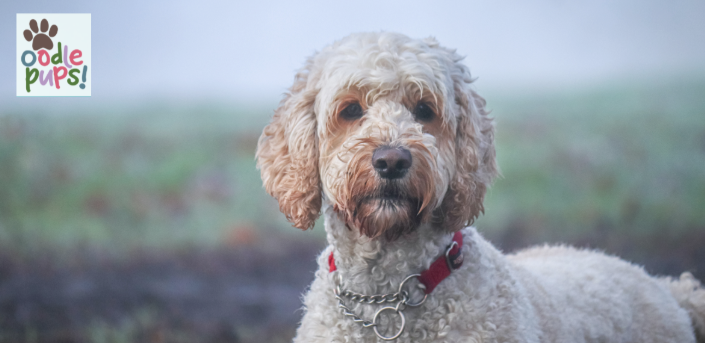
But what exactly makes their personality so special? Let’s break down their temperament and how they fit into your family dynamic.
Great Temperament
The best part about this dog breed is their gentle, calm, and affectionate personalities that make daily life easier. When you bring one home, you’ll notice how they adjust to your apartment life or house with a yard without much fuss.
They’re generally friendly with everyone they meet, from neighbours to visiting relatives. So if you’re looking for a great companion that fits effortlessly into family life, this breed ticks all the boxes.
Good with Children and Other Pets
Ever watched a YouTube video of a toddler climb all over a patient dog without reaction? That’s the Labradoodle temperament in action.
This gentle nature works beautifully with children of all ages, so they integrate easily into the family unit. Also, they get along well with other animals, including cats and dogs from other breeds already in your home.
We recommend early socialisation with different people, pets, and environments to build your pup’s confidence. Your puppy will become a well-adjusted adult dog who handles new situations calmly.
Now that you know Labradoodles fit well into family life, the next factor to consider is how they adapt to Brisbane’s unique climate and outdoor lifestyle.
Is the Labradoodle Dog Breed Suitable for Brisbane’s Climate and Lifestyle?
Brisbane’s outdoor lifestyle suits Labradoodles well with proper heat management and daily exercise. The subtropical climate brings hot, humid summers that require some planning, but these adaptable dogs handle it when you take the right precautions.
Here’s what you need to know about their coat in the heat and keeping them active around Brisbane.
Handling Brisbane’s Heat and Humidity
With Brisbane’s summer hitting over 30 degrees, how does a curly-coated dog cope? Well, their non-shedding coat is breathable but needs cooling during Brisbane’s hot summers.
That’s why you need air conditioning to keep your Labradoodle comfortable indoors during peak heat. But the coats benefit people with allergies and reduce household fur cleanup.
According to research, about 10-20% of the global population experiences pet allergies, and the reason behind this is dander from shedding coats. So a low-shedding Labradoodle can help reduce sneezing and cleaning (but it’s good to remember that no breed is completely hypoallergenic).
Worth Noting: Keep your healthy dog comfortable with air conditioning and plenty of water, especially between December and February.
Exercise in Brisbane
If your lifestyle includes walks, beaches, and parks, Brisbane offers ideal options for high-energy breeds. You’re looking at about 60 minutes of daily exercise to keep them happy and healthy.
When they don’t get enough physical activity, boredom sets in, and that’s when destructive behaviour shows up. Then mental stimulation through training and games helps too, especially if you live in an apartment.
Based on our experience, apartment living works perfectly fine as long as they get regular exercise and space to stretch out during downtime between walks.
What Are the Challenges of Owning a Labradoodle?
The main challenges of owning a Labradoodle are high exercise needs, ongoing training, and regular grooming.
Honestly, they’re wonderful dogs. But many new owners soon realise these playful pups need more attention than they first imagined. And if you’re considering bringing one home, you need to understand what you’re signing up for.
This section covers the daily time commitment these dogs need and the grooming routine you’ll be maintaining for years to come.
Time and Training Commitment
Labradoodles require 1-2 hours daily for exercise, training, and companionship from owners. If you’re a first-time dog owner, this time commitment can feel overwhelming at first, but it becomes part of your routine quickly.
Your puppies need consistent crate training and socialisation from a young age. Otherwise, you’ll end up with an untrained adult Labradoodle who can become hyperactive and destructive. (Trust us, our couch still has the bite marks to prove it.)
Quick tip: Separation anxiety develops quickly, so don’t leave your Labradoodle alone for long hours, or they’ll struggle emotionally.
Grooming Requirements
Their low-shedding coats mean less vacuuming but more trips to the groomer. In our experience, professional grooming every 8-10 weeks keeps their curly coat tangle-free and comfortable. Plus, you can choose from different styling options for your companion dog.
For example:
- Teddy Bear Cut (for a soft, rounded look)
- Puppy Cut (easy to maintain)
- Lamb Cut (gives a natural, fluffy appearance)
Between visits, regular brushing with a slicker brush at least twice weekly prevents matting and keeps shedding minimal. Your dog will feel more comfortable, and you’ll avoid painful tangles that can lead to skin issues.
After understanding the exercise and grooming demands, let’s talk about finding a breeder who prioritises health and ethical practices.
What Should You Look for in a Responsible Breeder?
Before bringing home a puppy, look for health testing, ethical practices, and breeder transparency. Not all breeders operate the same way, and the difference between a responsible breeder and a backyard breeder affects your dog’s lifelong health.
Responsible breeders conduct health testing on all breeding dogs before any litter. The reason is simple: tests for hip dysplasia and inherited diseases protect your puppy’s long-term well-being.
The screening process removes dogs with genetic issues from breeding programs, which means your puppy has a much lower risk of developing painful conditions later in life.
Useful Tip: Ask to see the vet records and health results for both parents of the puppy. A good breeder will show them without hesitation, but the ones cutting corners will make excuses or avoid the question entirely.
Making the Right Choice for Your Family
Labradoodles bring joy to thousands of Brisbane families, but success comes down to matching the right dog with the right home. When you understand their needs up front, you can create an environment where both your family and your Labradoodle live comfortably.
We’ve covered their family-friendly temperament, Brisbane climate adaptation, daily commitments, and breeder selection. These factors determine whether ownership becomes rewarding or overwhelming.
Our team at Oodlepups will guide you through every question, health test result, and decision point you need to bring home a healthy, well-matched Labradoodle puppy.