 By Backlinks Hub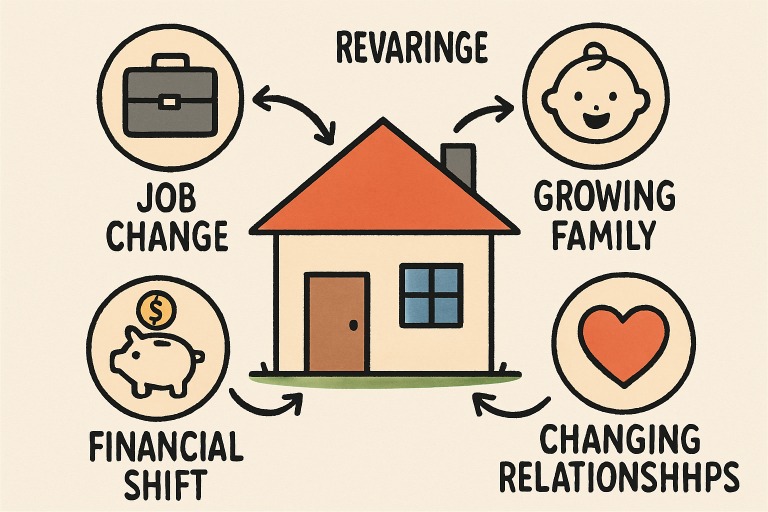
Key Takeaways
- Job changes, family milestones, and financial developments are leading triggers for selling a home.
- Pinpointing the impact of these life events helps homeowners gauge the right time to sell.
- A strategy rooted in emotional detachment and thorough planning leads to smoother transactions.
Life rarely moves in a straight line, and sometimes those unexpected turns can prompt a reevaluation of where—and how—we live. Major life events, such as job changes, expanding families, or changes in financial status, often prompt a move. Understanding how these pivotal moments impact the home-selling process is crucial for anyone considering selling their home. If recent changes in your life have made you wonder whether it’s time to move, exploring your options with professionals like https://www.southernhillshomebuyers.com/we-buy-houses-farmers-branch-tx/ can help streamline your transition and ensure you get the best possible outcome.
Navigating these transitions means balancing emotions with practicalities. The emotional detachment required to sell a once-beloved property, coupled with the logistics involved in marketing and relocation, makes timing and planning crucial. Whether you’re facing joyful milestones or more challenging moments, recognizing what these changes mean for your housing needs is the first step toward making a confident and informed decision. Homeowners sometimes underestimate how quickly circumstances can change—an unexpected job opportunity or a sudden shift in family structure might prompt an urgent need to sell. In such cases, utilizing resources like https://www.southernhillshomebuyers.com/ enables homeowners to simplify the process, receive a fair offer, and move forward according to their timeline.
Job Relocation
One of the most prevalent reasons homeowners choose to sell is job relocation. Promotions, new career opportunities, or company transfers can all mean moving to a new city or even another state. According to the National Association of REALTORS®, approximately 19% of home buyers consider work-related changes a top influence on their decision to move. Such shifts require quick decision-making and sometimes rapid turnaround on the home sale process.
Family Dynamics
As families grow or shrink, their housing needs change. The birth of a child can make a once-spacious home feel cramped, while the departure of kids for college often triggers downsizing. Marriage, divorce, or welcoming elderly relatives also require a reevaluation of space and amenities. Recent analyses from the National Association of Realtors reveal that nearly 37% of moves are driven by these personal milestones. Adjusting to new family dynamics through a home sale can create stability and ensure everyone has the environment they need.
Financial Shifts
Significant changes in financial circumstances—whether sudden gains or losses—are another impetus to sell. A boost in income could mean upgrading to a dream home in a better neighborhood, while a job loss, mounting debt, or other financial challenges might require a quick sale to reduce expenses. Sellers in this position should evaluate their current and projected monetary health, taking into account both immediate needs and long-term objectives.
Divorce or Separation
Personal relationships can change unexpectedly, and unfortunately, divorce or separation is a common reason for the sale of jointly owned homes. Selling the property often allows both parties to divide assets and start over independently fairly. Because these circumstances are both emotionally and logistically complex, it’s essential to seek legal guidance and approach the process with clear communication and objectivity. The U.S. News & World Report offers a helpful guide to best practices for home sales during divorce or separation.
Retirement
Entering retirement often prompts homeowners to reconsider where and how they want to live. Downsizing, seeking out senior-friendly amenities, or moving closer to grandchildren are common motivations. Retirees may downsize to reduce maintenance responsibilities and living costs, or they may relocate to a more desirable climate. As individuals transition into retirement, selling a family-sized house for a more manageable property can make this new stage of life even more enjoyable.
Health Concerns
Growing older or facing health issues can require moving to a home that better accommodates physical needs. Accessibility features, proximity to medical facilities, and supportive community environments become priorities. Selling a current property to make way for a more suitable home is often a crucial part of maintaining independence and quality of life as circumstances evolve.
Emotional Considerations
Letting go isn’t easy, especially when a home holds years of memories. Emotional attachment can complicate the decision to sell, potentially clouding judgment and prolonging the process. Experts recommend depersonalizing your home—removing family photos, unique décor, and personal mementos—to help buyers visualize their own lives in the space. Forbes suggests that “sellers should think of the transaction as a business decision,” detaching from sentimentality to facilitate a quicker, more profitable sale.
Conclusion
Unexpected life changes are an inevitable part of the human journey, often requiring us to adapt where and how we live. From job changes and expanding families to financial pivots and retirement transitions, understanding the actual impact of these events helps homeowners navigate their options and sell with confidence. By carefully planning, maintaining emotional perspective, and utilizing expert resources, sellers are empowered to move forward and embrace the next phase of their lives with clarity and a sense of peace.